
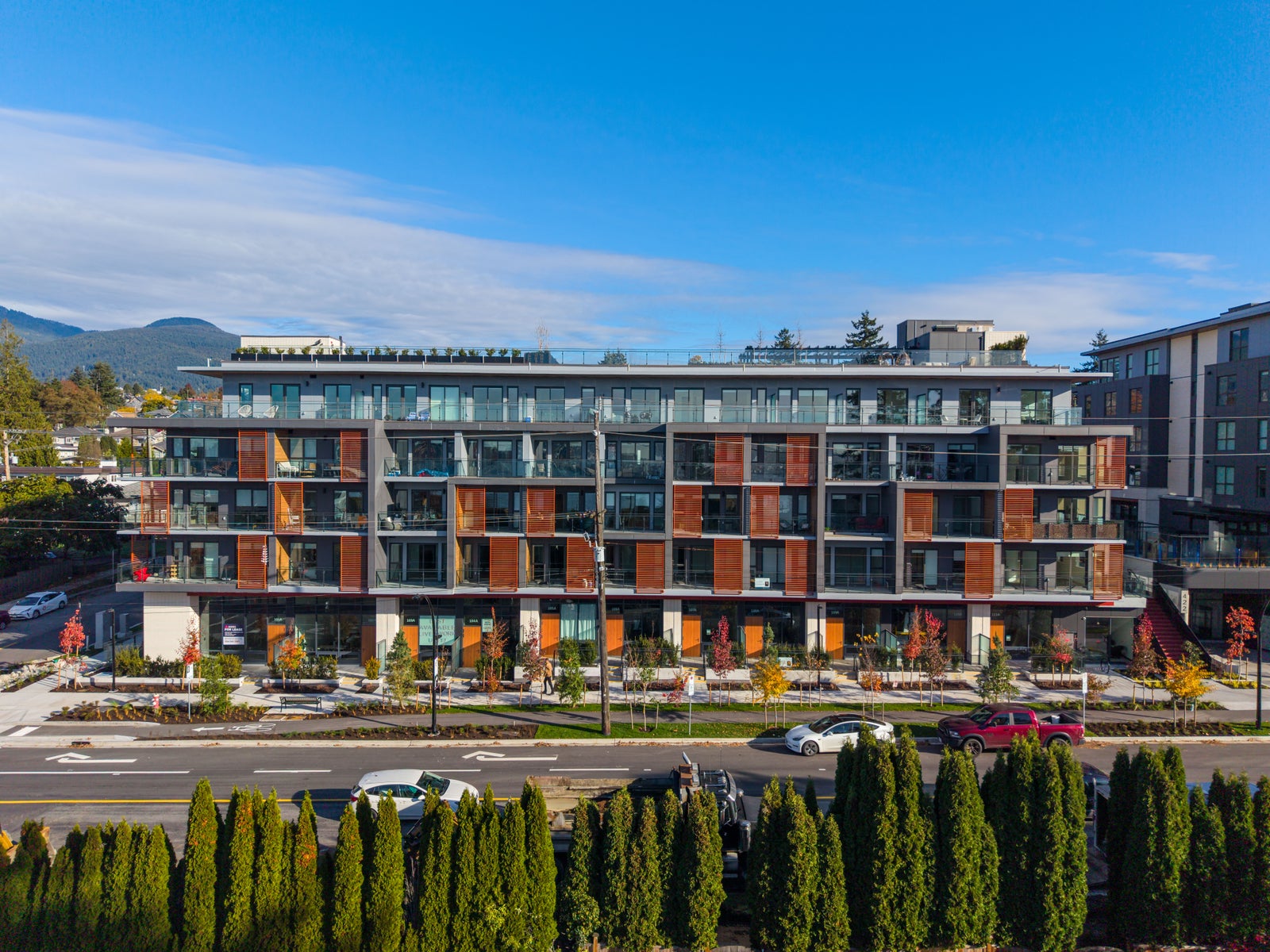
When purchasing a condo, one of the most important—but often overlooked—factors is the type of building construction. In many urban markets, including areas like North Vancouver, buyers will typically encounter two main construction types: concrete and wood-frame buildings. Each offers distinct advantages depending on your lifestyle, budget, and long-term investment goals.
Concrete Construction: Durability and Quiet Living
Concrete buildings are commonly found in high-rise developments and are known for their strength, longevity, and sound insulation.
Key benefits:
-Superior soundproofing: Concrete significantly reduces noise between units and floors, creating a quieter living environment.
-Structural durability: Concrete buildings tend to have longer lifespans and can better withstand weather and time.
-Fire resistance: Concrete is naturally more fire-resistant than wood, offering an additional layer of safety.
-Higher resale appeal: Many buyers perceive concrete buildings as premium, which can support long-term value.
Because of these features, concrete condos are often popular with buyers seeking low-noise living, long-term ownership, or investment properties.
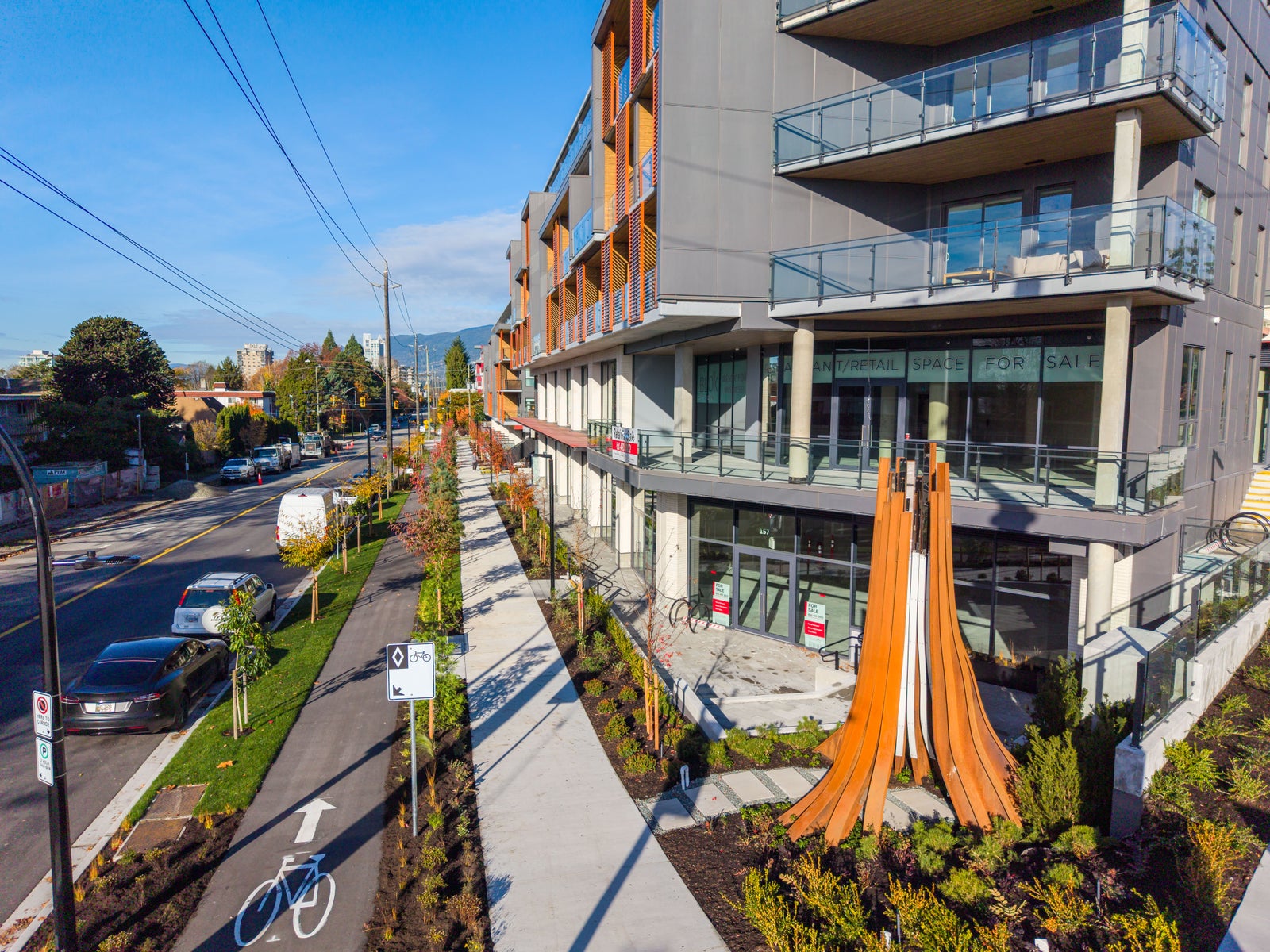
Wood-Frame Construction: Affordability and Community Feel
Wood-frame buildings are typically low-rise or mid-rise developments and are common in many residential neighbourhoods.
Key benefits:
-More affordable purchase prices: Wood construction generally costs less to build, which can translate to lower purchase prices for buyers.
-Lower strata fees: Maintenance and operating costs can sometimes be lower than in large concrete towers.
-Neighbourhood scale: Wood buildings are often smaller and located in quieter, residential communities rather than dense downtown cores.
-Quicker development timelines: Wood construction can be completed faster, allowing more housing supply to reach the market.
For first-time buyers or those looking for value and a more boutique building experience, wood-frame condos can be an excellent choice.
Other Factors to Consider
Beyond construction type, condo buyers should also evaluate:
-Building age and maintenance history
-Strata management and financial health
-Amenities and lifestyle features
-Location and proximity to transit, shops, and parks
In many cases, a well-maintained wood building can be just as attractive as a concrete tower, especially in desirable neighbourhoods.

Concrete Construction: Durability and Quiet Living
Concrete buildings are commonly found in high-rise developments and are known for their strength, longevity, and sound insulation.
Key benefits:
-Superior soundproofing: Concrete significantly reduces noise between units and floors, creating a quieter living environment.
-Structural durability: Concrete buildings tend to have longer lifespans and can better withstand weather and time.
-Fire resistance: Concrete is naturally more fire-resistant than wood, offering an additional layer of safety.
-Higher resale appeal: Many buyers perceive concrete buildings as premium, which can support long-term value.
Because of these features, concrete condos are often popular with buyers seeking low-noise living, long-term ownership, or investment properties.
Wood-Frame Construction: Affordability and Community Feel
Wood-frame buildings are typically low-rise or mid-rise developments and are common in many residential neighbourhoods.
Key benefits:
-More affordable purchase prices: Wood construction generally costs less to build, which can translate to lower purchase prices for buyers.
-Lower strata fees: Maintenance and operating costs can sometimes be lower than in large concrete towers.
-Neighbourhood scale: Wood buildings are often smaller and located in quieter, residential communities rather than dense downtown cores.
-Quicker development timelines: Wood construction can be completed faster, allowing more housing supply to reach the market.
For first-time buyers or those looking for value and a more boutique building experience, wood-frame condos can be an excellent choice.
Other Factors to Consider
Beyond construction type, condo buyers should also evaluate:
-Building age and maintenance history
-Strata management and financial health
-Amenities and lifestyle features
-Location and proximity to transit, shops, and parks
In many cases, a well-maintained wood building can be just as attractive as a concrete tower, especially in desirable neighbourhoods.
The Bottom Line
Both construction types offer advantages. Concrete buildings typically provide greater durability, quieter living, and a premium feel, while wood-frame buildings often deliver better affordability and a more intimate community atmosphere.
The best choice ultimately depends on your priorities—whether that’s long-term investment, peace and quiet, affordability, or neighbourhood lifestyle.
For buyers exploring condos in markets like North Vancouver, understanding the difference between concrete and wood construction can help you make a more confident and informed purchase decision.
Both construction types offer advantages. Concrete buildings typically provide greater durability, quieter living, and a premium feel, while wood-frame buildings often deliver better affordability and a more intimate community atmosphere.
The best choice ultimately depends on your priorities—whether that’s long-term investment, peace and quiet, affordability, or neighbourhood lifestyle.
For buyers exploring condos in markets like North Vancouver, understanding the difference between concrete and wood construction can help you make a more confident and informed purchase decision.
Thinking of buying?
North Vancouver Real Estate Advisor