
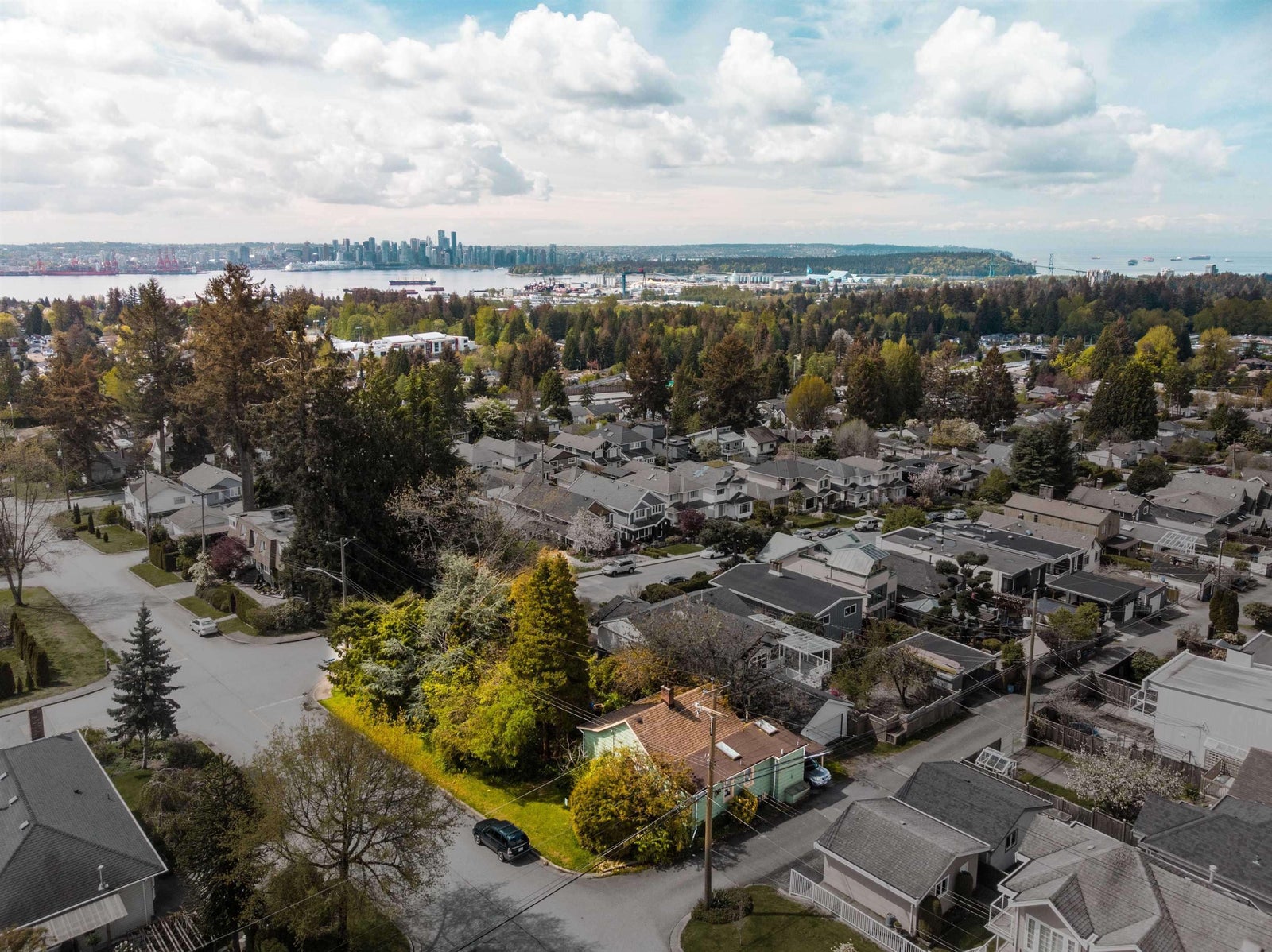
 When buying or selling a home in North Vancouver, the property’s lot size can significantly affect its market value. While the home itself, its condition and its location all matter, the land beneath it can be just as important — and, in some cases, even more valuable than the structure.
From spacious family properties in Grand Boulevard to hillside homes in Canyon Heights and redevelopment opportunities in Central Lonsdale, North Vancouver offers a wide variety of lot sizes, shapes and development possibilities. Understanding how these factors affect property value can help buyers make informed decisions and help sellers maximize their investment.
Why Lot Size Matters in North Vancouver Real Estate
Land is a limited resource, particularly in established North Vancouver neighbourhoods where demand for housing remains strong and available properties are finite. A larger lot can offer more outdoor living space, greater privacy and additional flexibility for future improvements.
However, bigger does not always mean better. Two properties with the same lot size can have significantly different values depending on their location, topography, zoning, usable outdoor space and development potential.
For buyers, evaluating lot size means looking beyond the number of square feet. For sellers, highlighting the advantages of the land can be an important part of an effective marketing strategy.
1. Larger Lots Can Offer Greater Long-Term Value
In many North Vancouver neighbourhoods, larger lots are attractive to buyers who want space for growing families, outdoor entertaining, gardening or additional amenities such as patios, play areas and landscaped yards.
Neighbourhoods such as Grand Boulevard, Boulevard, Edgemont and parts of Upper Lonsdale feature properties where lot dimensions and outdoor space can be major selling points.
A generous lot may also offer more flexibility for future renovations, additions or redevelopment, subject to municipal zoning and approval requirements. This potential can make the property appealing to buyers who are thinking beyond their immediate housing needs.
It is important to remember, however, that a larger lot does not automatically command a proportionately higher price. The additional land must offer practical value to prospective buyers, and comparable recent sales are essential when assessing its contribution to market value.
2. Usable Land Is Often More Important Than Total Lot Size
One of the most important considerations when evaluating a property is how much of the land can actually be used.
North Vancouver's varied terrain means that some properties have relatively flat, usable yards, while others feature steep slopes, rocky ground, retaining walls or significant elevation changes.
A flat, rectangular lot with a functional backyard may be more appealing to many buyers than a larger hillside property with limited usable outdoor space. Usable land can accommodate gardens, children's play areas, outdoor dining and potential additions more easily.
When assessing a lot, consider:
-Topography: Is the land relatively flat, gently sloped or steep?
-Lot shape: Does the property's configuration allow for practical landscaping or building options?
-Access: Is there convenient driveway access, lane access or room for parking?
-Outdoor space: How much of the yard is functional and accessible?
-Site constraints: Are retaining walls, drainage issues, easements or other limitations present?
These details can influence both buyer demand and the cost of future improvements. A professional property assessment may be necessary to determine whether a site's apparent potential is realistic.
3. Zoning and Redevelopment Potential Can Influence Value
In some cases, a property's greatest value lies not in the existing home, but in what may be possible with the land.
Depending on its location, lot dimensions and applicable municipal regulations, a property may offer opportunities for a new custom home, a secondary suite, a coach house or another permitted housing form. Certain sites may also warrant investigation for multi-unit redevelopment.
North Vancouver includes two separate municipalities — the City of North Vancouver and the District of North Vancouver — each with its own planning policies, zoning regulations and approval processes. Buyers should confirm the property's jurisdiction and applicable rules before assuming that a particular development is possible.
Factors that may influence redevelopment potential include:
- Current zoning and permitted uses
- Lot width, depth and overall dimensions
- Minimum setbacks and maximum building height
- Permitted floor area and lot coverage
- Access, parking and servicing requirements
- Applicable development permits, environmental restrictions and other approvals
A larger lot may provide more design flexibility, but size alone does not guarantee additional density or subdivision potential. Municipal rules and site-specific restrictions must be carefully reviewed.
For buyers considering a property as a long-term investment, confirming its development potential before making an offer can help avoid costly assumptions. Sellers may also benefit from having relevant zoning information available when marketing a property with potential for future redevelopment.
4. Lot Size and Neighbourhood Demand Go Hand in Hand
Location remains one of the most influential factors in real estate value. A large lot in a highly sought-after neighbourhood may attract a different level of demand than a similarly sized property elsewhere.
In North Vancouver, buyers often weigh lot size against proximity to schools, parks, transit, shopping, recreation and employment centres.
For example, a property in Edgemont may appeal to buyers seeking a family-oriented neighbourhood with access to village amenities and outdoor recreation. Grand Boulevard properties may attract buyers who value established streets, mature landscaping and generous yards. In parts of Central and Upper Lonsdale, lot value may also be influenced by access to amenities and the potential to replace an older home with a new one.
The key is to compare properties with similar locations, lot characteristics and development opportunities rather than relying on lot size alone.
5. Privacy, Landscaping and Outdoor Living Add Appeal
Lot size affects more than future construction possibilities. It can also influence how a property feels and functions today.
A larger lot may provide greater separation from neighbouring homes, mature trees, landscaped gardens and multiple outdoor living areas. These features can be especially appealing to buyers who prioritize privacy, entertaining or family-friendly outdoor space.
In North Vancouver, where access to nature and an outdoor lifestyle is a major attraction, a well-designed yard can strengthen a property's overall appeal.
However, landscaping quality and maintenance requirements also matter. Mature trees and established gardens may enhance a property's character, while extensive upkeep, drainage concerns or costly retaining structures may be considerations for some buyers.
The most valuable outdoor spaces are often those that combine privacy, usability and thoughtful design.
6. Lot Size Can Affect the Cost of Building a Custom Home
For buyers planning to build, the lot is the foundation of the entire project — both literally and financially.
A larger, relatively flat lot may offer more flexibility when designing a custom home, positioning outdoor living areas and planning parking. By contrast, a steep or constrained site may require specialized engineering, excavation, retaining walls and more complex construction methods.
These additional costs can affect the overall feasibility of a project, even when the purchase price of the land appears attractive.
Before purchasing a lot for redevelopment or new construction, buyers should consider consulting with a qualified builder, architect, surveyor or other relevant professional. Reviewing site conditions, municipal requirements and preliminary construction costs can provide a more realistic picture of the property's total investment potential.
7. How Buyers and Sellers Should Evaluate Lot Value
Whether you are buying your first detached home or preparing to sell a long-held family property, understanding how lot size affects value requires more than a quick comparison of square footage.
For buyers, consider the following:
- Compare recent sales of properties with similar lot dimensions and locations.
- Evaluate the amount of usable land rather than total area alone.
- Confirm zoning and investigate any development potential independently.
- Review property boundaries, easements, access and known site constraints.
- Consider the future costs of landscaping, drainage, retaining walls or construction.
For sellers, focus on the features that make your lot stand out:
- Highlight flat, usable outdoor areas and functional yard space.
- Showcase privacy, mature landscaping and outdoor entertaining areas.
- Provide accurate lot dimensions and available survey information.
- Identify relevant zoning information without overstating development potential.
- Work with a real estate professional to assess comparable sales and current buyer demand.
Accurate information and realistic pricing are essential. Buyers may pay a premium for land that meets their needs, but they are also likely to account for limitations and additional costs.
Final Thoughts: Understanding the Value of Your North Vancouver Property
Lot size can have a substantial impact on home value in North Vancouver, but its influence depends on how the land can be used, where it is located and what opportunities it offers.
A flat, private backyard may be the deciding factor for a growing family. A larger lot in an established neighbourhood may appeal to someone planning a custom home. A property with verified redevelopment potential may attract buyers looking for a longer-term investment.
Ultimately, the true value of a lot comes from the combination of its size, usability, location, zoning and buyer demand.
If you are considering buying or selling a property in North Vancouver, a neighbourhood-specific market evaluation can help you understand how your lot compares with similar properties and which features are most likely to influence its value. With the right information, you can make more confident real estate decisions and better understand the opportunities your property may offer.
In many North Vancouver neighbourhoods, larger lots are attractive to buyers who want space for growing families, outdoor entertaining, gardening or additional amenities such as patios, play areas and landscaped yards.
Neighbourhoods such as Grand Boulevard, Boulevard, Edgemont and parts of Upper Lonsdale feature properties where lot dimensions and outdoor space can be major selling points.
A generous lot may also offer more flexibility for future renovations, additions or redevelopment, subject to municipal zoning and approval requirements. This potential can make the property appealing to buyers who are thinking beyond their immediate housing needs.
It is important to remember, however, that a larger lot does not automatically command a proportionately higher price. The additional land must offer practical value to prospective buyers, and comparable recent sales are essential when assessing its contribution to market value.
2. Usable Land Is Often More Important Than Total Lot Size
One of the most important considerations when evaluating a property is how much of the land can actually be used.
North Vancouver's varied terrain means that some properties have relatively flat, usable yards, while others feature steep slopes, rocky ground, retaining walls or significant elevation changes.
A flat, rectangular lot with a functional backyard may be more appealing to many buyers than a larger hillside property with limited usable outdoor space. Usable land can accommodate gardens, children's play areas, outdoor dining and potential additions more easily.
When assessing a lot, consider:
-Topography: Is the land relatively flat, gently sloped or steep?
-Lot shape: Does the property's configuration allow for practical landscaping or building options?
-Access: Is there convenient driveway access, lane access or room for parking?
-Outdoor space: How much of the yard is functional and accessible?
-Site constraints: Are retaining walls, drainage issues, easements or other limitations present?
These details can influence both buyer demand and the cost of future improvements. A professional property assessment may be necessary to determine whether a site's apparent potential is realistic.
3. Zoning and Redevelopment Potential Can Influence Value
In some cases, a property's greatest value lies not in the existing home, but in what may be possible with the land.
Depending on its location, lot dimensions and applicable municipal regulations, a property may offer opportunities for a new custom home, a secondary suite, a coach house or another permitted housing form. Certain sites may also warrant investigation for multi-unit redevelopment.
North Vancouver includes two separate municipalities — the City of North Vancouver and the District of North Vancouver — each with its own planning policies, zoning regulations and approval processes. Buyers should confirm the property's jurisdiction and applicable rules before assuming that a particular development is possible.
Factors that may influence redevelopment potential include:
- Current zoning and permitted uses
- Lot width, depth and overall dimensions
- Minimum setbacks and maximum building height
- Permitted floor area and lot coverage
- Access, parking and servicing requirements
- Applicable development permits, environmental restrictions and other approvals
A larger lot may provide more design flexibility, but size alone does not guarantee additional density or subdivision potential. Municipal rules and site-specific restrictions must be carefully reviewed.
For buyers considering a property as a long-term investment, confirming its development potential before making an offer can help avoid costly assumptions. Sellers may also benefit from having relevant zoning information available when marketing a property with potential for future redevelopment.
4. Lot Size and Neighbourhood Demand Go Hand in Hand
Location remains one of the most influential factors in real estate value. A large lot in a highly sought-after neighbourhood may attract a different level of demand than a similarly sized property elsewhere.
In North Vancouver, buyers often weigh lot size against proximity to schools, parks, transit, shopping, recreation and employment centres.
For example, a property in Edgemont may appeal to buyers seeking a family-oriented neighbourhood with access to village amenities and outdoor recreation. Grand Boulevard properties may attract buyers who value established streets, mature landscaping and generous yards. In parts of Central and Upper Lonsdale, lot value may also be influenced by access to amenities and the potential to replace an older home with a new one.
The key is to compare properties with similar locations, lot characteristics and development opportunities rather than relying on lot size alone.
5. Privacy, Landscaping and Outdoor Living Add Appeal
Lot size affects more than future construction possibilities. It can also influence how a property feels and functions today.
A larger lot may provide greater separation from neighbouring homes, mature trees, landscaped gardens and multiple outdoor living areas. These features can be especially appealing to buyers who prioritize privacy, entertaining or family-friendly outdoor space.
In North Vancouver, where access to nature and an outdoor lifestyle is a major attraction, a well-designed yard can strengthen a property's overall appeal.
However, landscaping quality and maintenance requirements also matter. Mature trees and established gardens may enhance a property's character, while extensive upkeep, drainage concerns or costly retaining structures may be considerations for some buyers.
The most valuable outdoor spaces are often those that combine privacy, usability and thoughtful design.
6. Lot Size Can Affect the Cost of Building a Custom Home
For buyers planning to build, the lot is the foundation of the entire project — both literally and financially.
A larger, relatively flat lot may offer more flexibility when designing a custom home, positioning outdoor living areas and planning parking. By contrast, a steep or constrained site may require specialized engineering, excavation, retaining walls and more complex construction methods.
These additional costs can affect the overall feasibility of a project, even when the purchase price of the land appears attractive.
Before purchasing a lot for redevelopment or new construction, buyers should consider consulting with a qualified builder, architect, surveyor or other relevant professional. Reviewing site conditions, municipal requirements and preliminary construction costs can provide a more realistic picture of the property's total investment potential.
7. How Buyers and Sellers Should Evaluate Lot Value
Whether you are buying your first detached home or preparing to sell a long-held family property, understanding how lot size affects value requires more than a quick comparison of square footage.
For buyers, consider the following:
- Compare recent sales of properties with similar lot dimensions and locations.
- Evaluate the amount of usable land rather than total area alone.
- Confirm zoning and investigate any development potential independently.
- Review property boundaries, easements, access and known site constraints.
- Consider the future costs of landscaping, drainage, retaining walls or construction.
For sellers, focus on the features that make your lot stand out:
- Highlight flat, usable outdoor areas and functional yard space.
- Showcase privacy, mature landscaping and outdoor entertaining areas.
- Provide accurate lot dimensions and available survey information.
- Identify relevant zoning information without overstating development potential.
- Work with a real estate professional to assess comparable sales and current buyer demand.
Accurate information and realistic pricing are essential. Buyers may pay a premium for land that meets their needs, but they are also likely to account for limitations and additional costs.
Final Thoughts: Understanding the Value of Your North Vancouver Property
Lot size can have a substantial impact on home value in North Vancouver, but its influence depends on how the land can be used, where it is located and what opportunities it offers.
A flat, private backyard may be the deciding factor for a growing family. A larger lot in an established neighbourhood may appeal to someone planning a custom home. A property with verified redevelopment potential may attract buyers looking for a longer-term investment.
Ultimately, the true value of a lot comes from the combination of its size, usability, location, zoning and buyer demand.
If you are considering buying or selling a property in North Vancouver, a neighbourhood-specific market evaluation can help you understand how your lot compares with similar properties and which features are most likely to influence its value. With the right information, you can make more confident real estate decisions and better understand the opportunities your property may offer.